 aktiv_admin
What to Pack for Yosemite Hiking
After 15+ years navigating Yosemite’s diverse terrain, from Valley trails to High Sierra challenges, I’ve learned that proper preparation is paramount. Packing smart for a Yosemite hike makes the difference between an unforgettable adventure and an uncomfortable ordeal. Let me guide you on what to carry, why, and how to avoid common beginner missteps.
The Core Ten Essentials (Yosemite Edition)
The “Ten Essentials” are a lifeline in Yosemite’s dynamic environment. The park’s varied elevations and wilderness demand respect; unprepared hikers can quickly find themselves in trouble, even on a clear day.

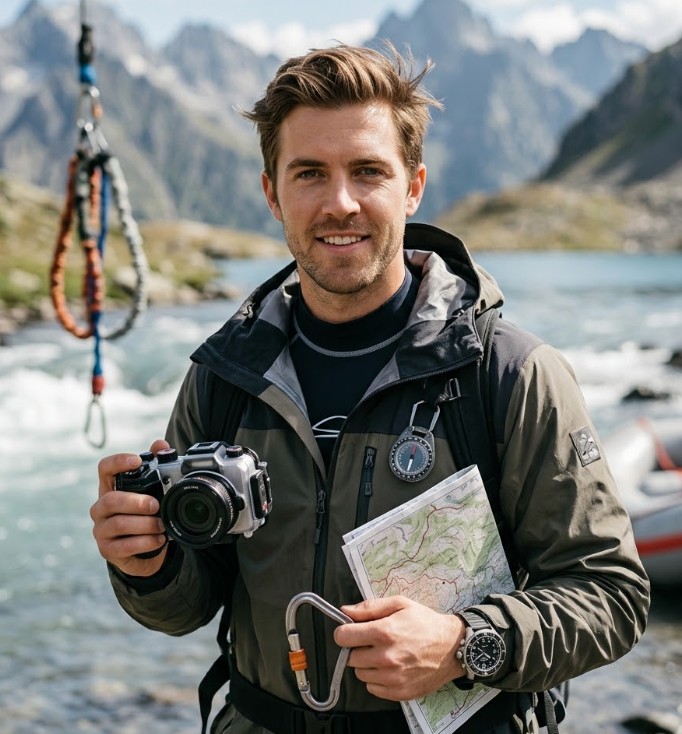
- Navigation: Physical map (e.g., Tom Harrison) and compass. Cell service is unreliable.
- Sun Protection: Sunscreen (SPF 30+), sunglasses, wide-brimmed hat. Intense sun above 6,000 feet.
- Insulation: Lightweight puffy jacket or fleece. Temperatures drop significantly at higher elevations or after sunset.
- Illumination: Headlamp with extra batteries. Never rely on your phone’s flashlight.
- First-Aid Supplies: Small, well-stocked kit (blisters, cuts, pain relievers, moleskin).
- Fire Starter: Waterproof matches or lighter for emergencies.
- Repair Kit and Tools: Duct tape, small multi-tool or knife.
- Nutrition: High-energy food (nuts, dried fruit, bars) – pack more than you anticipate needing.
- Hydration: Water, plus a reliable filter/purifier (e.g., Sawyer Squeeze). Water sources are often unsafe to drink directly.
- Emergency Shelter: Lightweight emergency blanket or bivvy.
Pro Tip 1: Don’t just pack the Ten Essentials; understand their purpose and practice using them. A map and compass are useless if you can’t read them under pressure.
Beyond the Basics: Comfort and Performance
Beyond essentials, optimize your experience. Yosemite’s diverse trails demand functional gear. A common mistake: attempting long hikes in brand-new boots.
Footwear & Layers: Sturdy, well-broken-in hiking shoes or lightweight boots with good ankle support are ideal. Always pack extra merino wool or synthetic socks; cotton causes blisters. Yosemite’s weather changes fast, so a layering system is crucial: a moisture-wicking base, an insulating mid-layer (fleece/puffy), and a waterproof/breathable outer layer. Quick-drying hiking pants are versatile; avoid jeans.
Hydration Systems: Carry enough water. A hydration reservoir is convenient for longer hikes. I carry 3 liters for a full day, plus a water filter. Electrolyte tabs are wise for strenuous climbs.
| Layer Type | Purpose | Recommended Material | Common Mistake to Avoid |
|---|---|---|---|
| Base Layer | Wick moisture, regulate temperature | Merino wool, synthetic (polyester, nylon) | Cotton t-shirts (hold sweat, chill you) |
| Mid-Layer | Insulation, warmth | Fleece, lightweight down/synthetic puffy | No insulating layer, or too bulky/heavy |
| Outer Layer | Weather protection (wind, rain) | Waterproof/breathable jacket (Gore-Tex, eVent) | Simple windbreaker (not waterproof) or umbrella |
| Headwear | Sun protection, warmth | Wide-brimmed hat, wool beanie | No hat, or only a baseball cap (less sun protection) |
| Socks | Cushioning, blister prevention | Merino wool, synthetic blend | Cotton socks (cause blisters when wet) |
Specialized Gear for Yosemite’s Unique Challenges
Yosemite’s unique areas and seasons demand specific equipment. Ignoring these risks fines, failed permits, or dangerous situations.
Half Dome Cables Gear
A permit is essential. Rangers enforce specialized gear: sticky-soled shoes for granite traction and garden gloves with good grip for cable friction.
Bear Canisters
For overnight backpacking, a bear-resistant food canister is mandatory. It protects your food and prevents Yosemite’s black bears from becoming habituated. Bears here are adept at getting improperly stored food.
Microspikes & Trekking Poles
High-elevation trails retain snow/ice into summer. Microspikes offer crucial traction; trekking poles provide stability on slippery terrain or stream crossings.
Actionable Pro Tips & Common Pitfalls
Years on Yosemite’s trails have taught me habits for safety and comfort, and to avoid common pitfalls.
- Gear Testing: Test everything—especially boots and pack—on shorter hikes first.
- Check Conditions: Before every hike, check the Yosemite National Park website for trail conditions, closures, weather, and bear activity.
- Know Your Limits: Don’t push yourself beyond your fitness level. Communicate openly with your group about pace and rest.
- Leave No Trace: Pack out everything (food scraps, peels, toilet paper). Yosemite’s wildness depends on us all.
Pro Tip 2: Learn basic map and compass skills. GPS devices can fail; traditional navigation is a fundamental outdoor skill.
Pro Tip 3: Always tell someone your hiking plan – route, expected return time, and who to contact if you don’t check in.
“I’ve learned that a heavy pack doesn’t mean you’re prepared; it means you’re carrying unnecessary weight. Every item in your pack should earn its spot. Think light, think multi-purpose, think essential.”
“The most dangerous assumption in Yosemite is that everything will go as planned. Weather changes, injuries happen, and trails can be trickier than they appear. Always pack with an emergency in mind.”
Frequently Asked Questions About Yosemite Hiking Gear
Do I really need bear spray in Yosemite?
No, bear spray is not permitted. Prevent black bear encounters through proper food storage (canisters, lockers) and making noise. If you encounter a bear, make yourself look large, make noise, and slowly back away.
What’s the best footwear for Yosemite trails?
Sturdy, well-broken-in hiking shoes or lightweight boots with good ankle support are ideal for most day hikes. Good traction and stability are key. Avoid open-toed sandals or brand-new boots for anything beyond short, paved walks.
How much water should I carry for a day hike?
I recommend at least 1 liter of water for every 2-3 hours of hiking, more in hot weather. For a typical full-day hike (6-8 hours), I carry 3 liters in a hydration reservoir, plus a lightweight water filter. Reliable, safe water sources aren’t always available.