 aktiv_admin
What to Wear Paragliding for Safety and Comfort
After more than 15 years soaring through the skies, I can tell you that what you wear paragliding is as crucial as checking your lines. It’s not just about comfort; it’s fundamentally about safety and being prepared for the dynamic environment of the air. Proper attire can be the difference between an exhilarating flight and a miserable, or even dangerous, experience.
Layering is Your Best Friend in the Air
The cardinal rule of paragliding attire, especially in the mountains, is layering. As you gain altitude, the temperature drops significantly, often by 2-3 degrees Celsius for every 1,000 feet of ascent. What might feel warm on the launch can be surprisingly chilly at 5,000 feet. I’ve seen countless beginners arrive in a t-shirt and shorts on a sunny day, only to shiver uncontrollably at altitude. My standard setup involves three layers:

- Base Layer: A moisture-wicking top, ideally merino wool or a synthetic blend. Cotton is a huge mistake here; it absorbs sweat, stays wet, and rapidly cools you down, especially when you’re soaring at 20-30 km/h.
- Mid-Layer: A fleece jacket or a light insulated puffy. This provides the primary thermal insulation. I often carry a thin and a thicker fleece, ready to swap based on the forecast.
- Outer Shell: A windproof and ideally water-resistant jacket. Windchill is a real factor, even on a sunny day. A softshell jacket works great, offering breathability while blocking the wind. For colder conditions, a hard shell over a puffy is non-negotiable.
Essential Protective Gear and Footwear
Beyond the layers, specific protective gear is non-negotiable. These items are your first line of defense against potential hazards, from minor scrapes to more serious impacts. Over the years, I’ve seen the direct consequences of neglecting these basics.
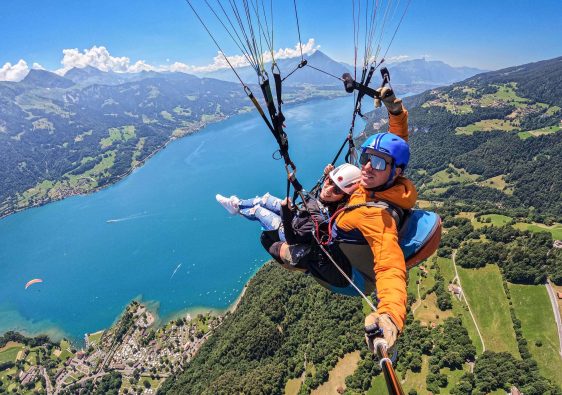
- Helmet: This is mandatory. Always wear a certified paragliding helmet. It’s not just for big impacts; I once saw a pilot hit his head on the launch ramp due to a misstep – a simple helmet saved him from a concussion.
- Gloves: Essential year-round. In colder weather, they prevent frostbite and maintain dexterity for brake lines. In warmer weather, lighter gloves protect your hands from rope burn (from lines) and UV exposure. I always carry two pairs: a thin, breathable pair and a warmer, insulated one.
- Sturdy Boots: High-ankle hiking boots are crucial. They protect your ankles during rough landings – a very common occurrence for new pilots. I’ve sprained my ankle a couple of times early in my career, always when I opted for lighter shoes. Good boots with ankle support, a stiff sole, and decent grip are paramount for both launch, landing, and any walk-outs.
Common Beginner Mistakes and Pro Tips
Beginners often make predictable mistakes with their clothing choices, usually stemming from a lack of experience with mountain microclimates and the realities of airborne flight. Avoiding these simple errors will drastically improve your paragliding experience.
- Mistake 1: Wearing Cotton. As mentioned, cotton is terrible for any activity where you might sweat or encounter dampness. It loses all its insulating properties when wet and takes ages to dry. Always opt for synthetics or wool.
- Mistake 2: Underestimating the Cold. Even on a seemingly hot day, altitude and windchill will make it feel much colder. Always bring more layers than you think you’ll need. You can always take them off.
- Mistake 3: Forgetting Sunglasses. The glare at altitude, especially off clouds or snow, can be intense and damaging to your eyes. Good quality sunglasses (UV400 protection) are a must.
- Mistake 4: Unsuitable Footwear. Sneakers or low-cut shoes offer no ankle support and minimal protection against rocks or uneven ground during launch and landing.
Pro Tip 1: Always pack a small, lightweight neck gaiter or buff. It’s incredibly versatile – use it to protect your neck from sun, keep warm, or even cover your mouth in dusty conditions. It takes up no space and has saved me from discomfort more times than I can count.
Pro Tip 2: Before leaving for the launch site, check the actual mountain-top weather forecast, not just the valley forecast. Use resources like Windguru or specific mountain weather models. The difference can be significant, and it directly impacts your layering strategy.
Beyond the Basics: Accessories and Readiness
While the core layers and protective gear are paramount, a few additional items can significantly enhance your comfort and safety.
- Water: Dehydration is a risk, especially during long flights or when waiting on launch. Always carry water.
- Sunscreen: At altitude, UV radiation is much stronger. Apply high-SPF sunscreen to any exposed skin.
- First-Aid Kit: A small personal kit with basics like band-aids, antiseptic wipes, pain relievers, and any personal medications is always wise.
- Variometer/GPS: While not clothing, having your flight instruments charged and ready is part of being prepared. Keep them accessible, perhaps in a flight deck or leg strap pocket.
Pro Tip 3: Keep a spare pair of warm socks in your flight bag. There’s nothing worse than cold feet, and a fresh, dry pair after a long flight or if your feet get damp on launch can feel like a luxury.
By prioritizing layering, essential protective gear, and learning from common mistakes, you’ll be much better equipped to enjoy the incredible experience of paragliding safely and comfortably. Always remember, the conditions can change rapidly in the mountains, so being prepared for a range of possibilities is key.
Key Fabric Comparison for Paragliding Attire
| Fabric Type | Pros for Paragliding | Cons for Paragliding | Best Use Case |
|---|---|---|---|
| Merino Wool | Excellent warmth-to-weight, moisture-wicking, odor-resistant, breathable. | Can be expensive, less durable than synthetics, slower drying than pure synthetics. | Base layers, thin mid-layers. |
| Synthetic (Polyester/Nylon) | Fast-drying, highly durable, good wicking, often more affordable. | Can retain odor, less breathable than wool at times. | Base layers, mid-layers (fleece), outer shells. |
| Fleece (Polyester) | Excellent warmth, breathable, relatively light. | Not windproof, absorbs water (unless treated), bulky. | Mid-layers for insulation. |
| Softshell | Wind-resistant, good breathability, some water resistance, flexible. | Not fully waterproof, can be heavier than hard shells. | Outer shell in dry to light-rain conditions. |
| Hardshell (Gore-Tex) | Fully waterproof, windproof, very durable. | Less breathable than softshells, can be noisy, expensive. | Outer shell in wet or very windy conditions. |
FAQ: Paragliding Attire
Can I wear shorts when paragliding?
I strongly advise against wearing shorts. While it might seem comfortable on a hot launch, you expose your legs to sunburn, scrapes during launch/landing, and significant windchill at altitude. Long pants, ideally durable hiking pants or softshell trousers, offer crucial protection and warmth.
Do I need special paragliding shoes?
No, you don’t need ‘special’ paragliding shoes, but you do need appropriate footwear. High-ankle hiking boots with good grip and ankle support are the gold standard. They protect against twisted ankles during potentially uneven landings and provide better traction on launch. Avoid sneakers, sandals, or low-cut shoes at all costs.
Should I bring a backpack for paragliding?
A small, lightweight backpack is highly recommended. It allows you to carry essential items like water, extra layers, sunscreen, a small first-aid kit, and snacks. Look for one that can be comfortably worn with your harness and doesn’t interfere with your flight controls or emergency parachute handle.