Optimizing Trail Engagement Across Lifespans: A Strategic Framework for Age-Related Hiking Assessment
The question of age as a limiting factor in hiking is a persistent concern for many aspiring and seasoned outdoor enthusiasts. While chronological age is an undeniable variable, its direct correlation with hiking capability is often misunderstood, necessitating a more nuanced analytical framework. This report compares two primary methodologies for assessing an individual’s readiness for trail engagement, irrespective of their age: objective physiological metrics versus subjective experience-based evaluations.
Approach 1: Biometric and Physiological Assessment
The first approach relies on a rigorous, data-driven evaluation of an individual’s physical state, emphasizing measurable biometric and physiological indicators. This methodology posits that hiking readiness can be accurately quantified through assessments of cardiovascular endurance, muscular strength, balance, flexibility, and bone density. For instance, VO2 max testing provides an objective measure of aerobic capacity, directly correlating with sustained effort on inclines and varied terrain. Grip strength and leg press tests offer insights into upper and lower body muscular power, crucial for ascents, descents, and navigating obstacles. Dynamic balance assessments, such as the Y-Balance Test, predict stability on uneven surfaces, mitigating fall risks. Furthermore, a comprehensive medical examination can identify pre-existing conditions that might impact safety or performance, such as cardiac irregularities, arthritis, or respiratory limitations. The logical argument underpinning this approach is that physical capacity, not age alone, dictates performance and safety. By identifying specific physiological deficits, targeted training regimens can be developed to enhance readiness, allowing individuals of any age to achieve the requisite physical benchmarks for desired trail difficulties. This method provides concrete, actionable data for physical conditioning and risk management, fostering a proactive stance on health and safety.
Approach 2: Experience-Based and Self-Perception Assessment
Conversely, the second approach emphasizes an individual’s cumulative hiking experience, self-awareness, and psychological resilience as primary indicators of trail readiness. This methodology acknowledges that while physiological attributes are important, practical experience often cultivates an intuitive understanding of one’s limits, pace management, and environmental awareness that cannot be fully captured by clinical metrics. An experienced hiker, regardless of age, typically possesses superior judgment in reading terrain, anticipating weather changes, and rationing energy. They have developed an intrinsic understanding of their body’s responses to exertion and stress, enabling them to make informed decisions about trail selection and turnaround points. Moreover, psychological factors such as grit, determination, and a positive mindset play a significant role in overcoming challenges on the trail. This approach argues that self-efficacy, built through years of engagement, is a powerful predictor of success and safety. An individual who has successfully completed numerous hikes of varying difficulties gains a confidence and adaptability that allows them to modulate their approach based on current conditions and personal well-being. This perspective champions the value of wisdom and adaptability over raw physical metrics, advocating for a holistic view of the hiker that integrates mental and experiential assets.
Fact/Stat: AARP reports that adults aged 50 and over represent a significant and growing demographic in outdoor recreation, with nearly 40% participating in hiking or walking on trails. This highlights a clear societal shift towards continued physical activity and engagement with nature well into later life, challenging traditional notions of age-related decline.
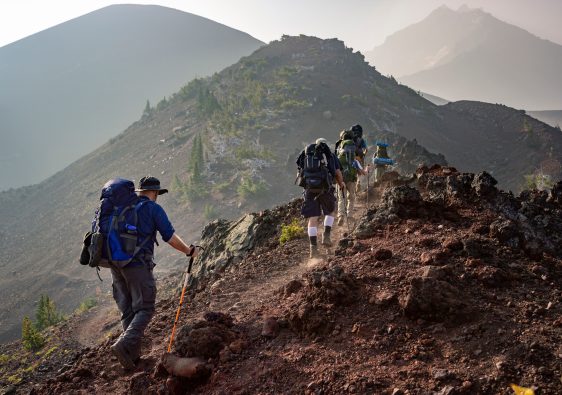
Plant, Nature, Larch, Pine i am looking for a good face, Bogart village, Mongolia · Photo by Kanenori on Pixabay
Key Insight: The sheer volume of older adults actively participating in hiking underscores that age is not an inherent barrier but rather a variable that can be effectively managed with appropriate strategies and mindset.
Comparing Methodological Rigor and Practical Application
When comparing these two methodologies, it becomes evident that each offers distinct advantages and limitations. The biometric approach provides objective, quantifiable data, which is invaluable for establishing a baseline, tracking progress, and identifying specific areas for intervention. Its rigor allows for personalized training programs designed to mitigate age-related physiological changes. However, it can be resource-intensive, requiring access to specialized equipment and medical professionals. Furthermore, it may not fully account for the psychological and experiential aspects that significantly contribute to trail success and enjoyment. An individual might possess excellent physiological scores but lack the practical decision-making skills or mental fortitude for challenging trails. Conversely, the experience-based approach is highly practical and accessible, leveraging an individual’s lived history and self-knowledge. It recognizes that subtle cues and intuitive responses are critical in dynamic outdoor environments. However, its subjectivity can be a drawback; self-assessment might be prone to overestimation or underestimation of abilities, especially for those new to hiking at an older age or those whose physical condition has changed rapidly. Without objective benchmarks, it can be challenging to make accurate comparisons or set precise training goals. Therefore, neither approach in isolation provides a complete picture. A solely physiological perspective risks overlooking invaluable experience, while a purely experiential view might neglect critical, remediable physical deficits.
Adaptive Hiking Protocols and Mitigation Strategies
Addressing the inherent challenges of aging on the trail requires not just assessment but also proactive adaptation. This involves a multi-faceted approach encompassing equipment, training, and trail selection. Lighter gear, trekking poles, and supportive footwear can significantly reduce strain and improve stability, directly mitigating potential age-related vulnerabilities in strength and balance. Customized training regimens, particularly those focusing on resistance training to combat sarcopenia (age-related muscle loss) and balance exercises, are crucial for maintaining functional fitness. Furthermore, smart trail selection is paramount. Progressing gradually from well-maintained, shorter trails to more challenging terrain allows for a safe accumulation of experience and conditioning. Understanding one’s personal physical limitations and choosing routes that align with current capabilities, rather than past achievements, is a hallmark of responsible hiking. Utilizing wearable technology for real-time heart rate monitoring, GPS tracking, and emergency communication enhances safety by providing immediate data on physiological exertion and facilitating assistance if needed. These protocols empower individuals to extend their hiking careers by adapting the activity to their evolving capabilities, ensuring sustained engagement with the outdoors while minimizing risk.
How does cardiovascular health specifically impact hiking performance in older adults?
Cardiovascular health is a foundational element for hiking performance, particularly as individuals age. A robust cardiovascular system ensures efficient oxygen delivery to working muscles, crucial for sustained endurance during ascents and long-distance treks. Reduced aerobic capacity in older adults can lead to quicker fatigue, increased breathlessness, and elevated heart rates, making even moderate inclines feel strenuous. This directly limits the duration and intensity of hiking possible, potentially impacting safety by increasing the risk of cardiac events under duress. Maintaining or improving cardiovascular fitness through regular aerobic exercise is therefore not just beneficial but essential for optimizing hiking longevity and enjoyment.
What role does mental resilience play when age-related physical challenges arise on the trail?
Mental resilience is a critical, often underestimated, factor in hiking, especially when age introduces physical challenges. It encompasses an individual’s ability to persevere through discomfort, manage fatigue, and maintain a positive outlook despite setbacks. When muscles ache, or breath becomes short, mental fortitude dictates whether one pushes through safely or opts to turn back. Older hikers with strong mental resilience often employ strategic pacing, positive self-talk, and problem-solving skills to navigate difficult sections. This psychological strength allows them to leverage their experience and adapt to transient physical limitations, preventing minor discomforts from escalating into major obstacles or discouraging a continued passion for hiking.
Can technology assist in monitoring fitness for hiking across different age groups?
Absolutely. Modern wearable technology, such as smartwatches and fitness trackers, provides invaluable assistance in monitoring fitness for hiking across all age groups, including older adults. These devices can track essential metrics like heart rate, step count, distance covered, elevation gain, and even blood oxygen levels. This real-time data allows hikers to monitor their exertion levels, maintain target heart rate zones, and avoid overexertion. Furthermore, GPS capabilities offer navigation assistance and can transmit emergency signals, significantly enhancing safety. For older adults, this objective feedback can be particularly empowering, enabling them to make data-informed decisions about their pace and limits, thereby fostering greater confidence and independence on the trail.
Verdict and Recommendation: An Integrated Framework for Lifelong Trail Engagement
Based on a comparative analysis of physiological metrics and experiential knowledge, the definitive recommendation for assessing hiking readiness, especially as age progresses, is an integrated, adaptive framework. Neither objective data nor subjective experience alone provides a sufficient basis for comprehensive evaluation. Instead, a successful strategy combines regular physiological assessments (e.g., annual physicals, targeted fitness tests) to establish and update baseline physical capabilities with a strong emphasis on leveraging accumulated hiking experience and fostering mental resilience. For those new to hiking later in life, an initial focus on physician-cleared physiological conditioning is paramount, gradually incorporating shorter, less demanding trails to build practical experience. For seasoned hikers, periodic physiological check-ups can identify subtle declines that experience alone might mask, allowing for proactive adjustments in training or trail selection. This integrated approach ensures that individuals can make informed decisions about their hiking pursuits, adapting methodologies, gear, and trail choices to their evolving physical and psychological states. The goal is not to eliminate risk entirely, but to manage it intelligently, ensuring that age becomes merely a descriptive characteristic, not a prohibitive barrier, to the enduring pursuit of trail engagement.
Liam Vance is a certified divemaster, avid paraglider, and extreme sports journalist with over eight years of field experience. He has rafted grade-5 rapids across South America and logged hundreds of dives in tropical and cold-water ecosystems. At Adventure, Liam covers air and water sports, safety protocols, and gear performance in extreme environments.
About Author
Liam Vance is a certified divemaster, avid paraglider, and extreme sports journalist with over eight years of field experience. He has rafted grade-5 rapids across South America and logged hundreds of dives in tropical and cold-water ecosystems. At Adventure, Liam covers air and water sports, safety protocols, and gear performance in extreme environments.
 aktiv_admin