Los Angeles, often perceived as an urban sprawl, surprises many with its expansive and diverse network of hiking trails. For outdoor enthusiasts and casual walkers alike, the region presents a spectrum of experiences, ranging from easily accessible city overlooks to challenging wilderness expeditions. Navigating these options requires a strategic understanding of terrain, accessibility, and the specific recreational goals of the hiker.
Urban Foothill Trails: Accessibility and Panoramic Views
The urban foothills surrounding the core of Los Angeles offer the most convenient and frequently utilized hiking opportunities. These trails, exemplified by areas such as Griffith Park and Runyon Canyon, are characterized by their immediate proximity to residential and commercial centers. Their primary appeal lies in accessibility; many are reachable via public transport or a short drive, making them ideal for spontaneous outings, pre-work exercise, or family excursions. The terrain typically consists of well-maintained, often paved or graded fire roads, suitable for a wide range of fitness levels and footwear, from casual sneakers to light trail shoes. Logical arguments for their appeal include minimal preparation requirements, ensuring a low barrier to entry for novice hikers or those with limited gear. Furthermore, the elevated positions of these trails consistently deliver sweeping panoramic views of the Los Angeles basin, the Pacific Ocean, and the iconic Hollywood sign, providing an immediate visual reward for effort expended. While generally less strenuous, these trails still offer sufficient elevation gain to provide a robust cardiovascular workout, making them a cornerstone of local fitness routines. However, their popularity also translates into significant crowds, particularly during peak hours, which can detract from a sense of solitude or wilderness immersion.
Santa Monica Mountains: Rugged Escapes and Coastal Vistas
Venturing west into the Santa Monica Mountains National Recreation Area unveils a more rugged and extensive hiking landscape, offering a tangible step up in wilderness immersion compared to urban foothills. This expansive range, stretching from the Hollywood Hills to Point Mugu, presents a diverse array of trails that traverse oak woodlands, chaparral-covered hillsides, and deep canyons, often culminating in dramatic ocean vistas. Trails like those in Malibu Creek State Park, Solstice Canyon, or Topanga State Park demand a greater commitment in terms of travel time and physical exertion. The terrain here is typically unpaved, featuring rocky sections, moderate climbs, and sometimes longer distances, necessitating more appropriate footwear and increased hydration. The logical argument for choosing these trails rests on their enhanced natural character; hikers encounter a greater sense of seclusion, increased biodiversity, and a more authentic connection to the regional ecosystem. The varied topography provides more dynamic hiking challenges, engaging different muscle groups and offering a richer sensory experience away from urban noise. While still popular, the sheer size of the Santa Monica Mountains allows for better dispersion of crowds, particularly on less-trafficked routes. The reward for this increased effort is often a profound sense of escape, coupled with unparalleled views of the Pacific coastline and offshore islands, a unique feature distinguishing them from inland options.
Fact: The Santa Monica Mountains National Recreation Area encompasses over 156,000 acres, making it the largest urban national park in the United States.
Beverly hills hotel, Usa, California, Los angeles, Los angeles, Los angeles, Los angeles, Los angeles, Los angeles · Photo by Roselie on Pixabay
Insight: This vast protected space offers an unparalleled opportunity for genuine wilderness experiences within close proximity to a major metropolitan area, providing a crucial escape for millions.
San Gabriel Mountains: Wilderness and High-Altitude Challenges
For those seeking true wilderness, significant elevation gain, and a multi-season hiking experience, the San Gabriel Mountains to the north and east of Los Angeles stand as the definitive choice. This range, part of the larger Transverse Ranges, hosts trails that climb to impressive altitudes, including several peaks over 10,000 feet. Destinations like the trails to Mount Baldy, Mount Wilson, or the Bridge to Nowhere offer a distinctly different and often more demanding hiking proposition. The terrain is characteristically steep, rocky, and can involve significant mileage and elevation gain, often requiring a full day’s commitment or even multi-day backpacking. The logical argument for tackling these trails centers on the pursuit of a profound wilderness experience: fewer crowds, expansive vistas extending into the Mojave Desert, and the chance to encounter diverse ecosystems, from chaparral foothills to alpine forests. These trails often present seasonal challenges such as snow and ice in winter and spring, demanding specialized gear like microspikes or trekking poles, and a higher degree of navigational skill. This level of hiking necessitates thorough preparation, including adequate water, food, emergency supplies, and a robust understanding of mountain weather patterns. While the accessibility is lower due to longer drive times and more remote trailheads, the payoff is an unparalleled sense of accomplishment, solitude, and a deep immersion in pristine natural environments that feel far removed from the urban bustle, offering a powerful antidote to city life.
Logistics and Preparation: Tailoring Your Approach
The disparate characteristics of Los Angeles’ hiking regions necessitate distinct logistical and preparatory considerations, forming a crucial comparison point for any outdoor enthusiast. For the urban foothills, preparation is minimal: comfortable athletic shoes, a small bottle of water, and sun protection are often sufficient. Parking is typically plentiful but can be competitive. Cell service is ubiquitous. In contrast, tackling the Santa Monica Mountains demands a more deliberate approach. Hikers should wear dedicated trail shoes or light hiking boots, carry 1-2 liters of water for a moderate hike, and pack extra layers as coastal weather can change rapidly. Navigation, while generally straightforward on marked trails, benefits from a downloaded map. Parking may be in designated lots that fill quickly. Wildlife, such as rattlesnakes and coyotes, becomes a more relevant consideration, requiring increased situational awareness. The San Gabriel Mountains, however, present the most stringent preparatory requirements. Sturdy hiking boots with ankle support are essential, and water requirements escalate to 3-4 liters per person, especially on longer, exposed ascents. Navigation skills are paramount, often requiring a physical map, compass, or reliable GPS device, as cell service can be non-existent. Bear canisters or proper food storage are advisable in some areas. Seasonal gear, such as traction devices for icy conditions or warm clothing for sudden temperature drops, is critical. Emergency planning, including notifying someone of your itinerary, becomes a necessity. Thus, the choice of hiking destination directly dictates the level of preparation required, scaling from casual readiness to comprehensive wilderness planning, each with its own inherent risks and rewards.
Fact: Los Angeles County is home to over 600 miles of public hiking trails, ranging from paved paths to rugged backcountry routes.
Insight: This extensive network underscores the vast opportunities available for hikers of all skill levels, enabling residents and visitors to explore diverse landscapes within a single metropolitan region.
Ultimately, the optimal hiking destination in Los Angeles hinges on an individual’s specific objectives and preparedness. For those prioritizing convenience, quick access, and iconic city views with minimal equipment, the urban foothill trails offer an unmatched experience. If a more authentic engagement with nature, moderate challenge, and stunning coastal scenery are the goals, the Santa Monica Mountains provide an excellent balance. However, for serious hikers seeking true wilderness immersion, significant physical challenge, and the solitude of high-altitude environments, the San Gabriel Mountains are the definitive choice, albeit one requiring meticulous planning and appropriate gear. My recommendation is to align your choice with your current fitness level, available time, and desired level of wilderness exposure, ensuring a safe and rewarding experience tailored to your personal preferences. Each region offers a unique slice of Southern California’s natural beauty, waiting to be explored.
What is the best time of year to hike in Los Angeles?
The cooler months from October to May are generally ideal for hiking in Los Angeles, offering mild temperatures and clearer air. During summer, early mornings are crucial to avoid extreme heat, especially on exposed trails. Higher elevation trails in the San Gabriel Mountains can offer relief from summer heat but may have snow and ice in winter and early spring, requiring specific gear and awareness.
Are there dog-friendly hiking trails in Los Angeles?
Yes, many trails in Los Angeles are dog-friendly, particularly in areas like Griffith Park and most trails within the Santa Monica Mountains. However, regulations vary by park and specific trail; some require dogs to be on a leash, and others prohibit them entirely (e.g., some municipal parks or wilderness areas protecting sensitive wildlife). Always check specific trail rules before heading out with your pet to ensure compliance and safety.
What safety precautions should I take on LA trails?
Essential safety precautions include carrying ample water, wearing appropriate footwear, applying sunscreen, and informing someone of your hiking plans and expected return time. Be aware of your surroundings for wildlife (snakes, coyotes, mountain lions in remote areas) and potential hazards like loose rock or poison oak. Cell service can be unreliable in remote mountain areas, so consider carrying a physical map or a fully charged GPS device. Always check weather forecasts, especially for heat advisories or fire warnings, before embarking on your hike.
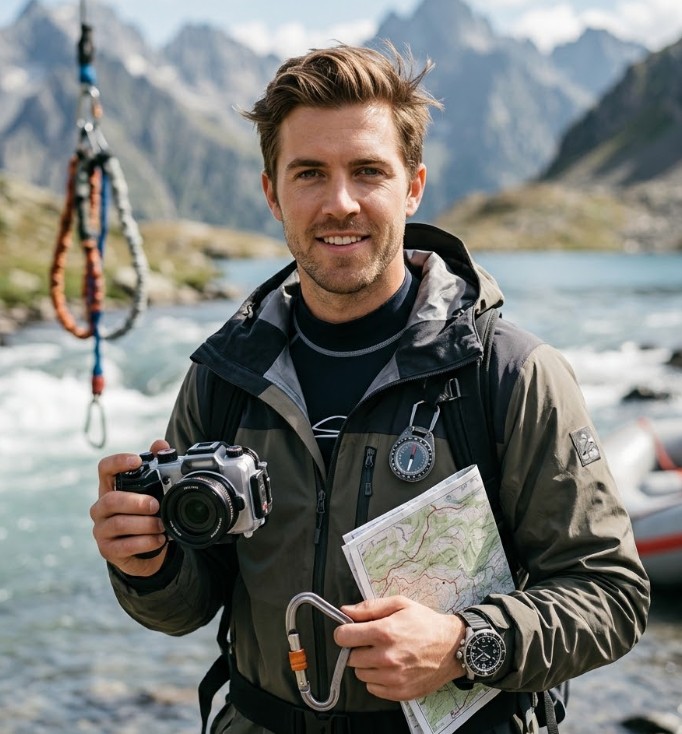
Liam Vance is a certified divemaster, avid paraglider, and extreme sports journalist with over eight years of field experience. He has rafted grade-5 rapids across South America and logged hundreds of dives in tropical and cold-water ecosystems. At Adventure, Liam covers air and water sports, safety protocols, and gear performance in extreme environments.
About Author
Liam Vance is a certified divemaster, avid paraglider, and extreme sports journalist with over eight years of field experience. He has rafted grade-5 rapids across South America and logged hundreds of dives in tropical and cold-water ecosystems. At Adventure, Liam covers air and water sports, safety protocols, and gear performance in extreme environments.
 aktiv_admin