 aktiv_admin
Navigating Utah’s Rivers: A Strategic Framework for Rafting Expeditions
Embarking on a river rafting expedition in Utah is more than just an outdoor activity; it’s a strategic investment in experience, requiring careful planning and a clear understanding of potential returns and inherent risks. This guide provides a decision-making framework, enabling you to select the optimal Utah river adventure that aligns with your objectives, whether you’re seeking a high-octane thrill or a tranquil family retreat.
Defining Your Rafting Objectives: Risk vs. Reward Profile
Before committing resources, a clear definition of your desired outcome is paramount. Are you seeking maximum adrenaline, a profound wilderness immersion, skill development, or a low-stress, scenic family outing? Each objective presents a distinct risk/reward profile. A high-reward, high-risk endeavor, such as tackling formidable whitewater, demands significant upfront investment in training, equipment, and expert guidance. Conversely, a lower-risk, more accessible float trip offers immediate experiential returns with minimal prerequisites. Strategic decision-making here involves a candid assessment of your group’s capabilities, time constraints, and acceptable risk thresholds. Prioritize what constitutes a ‘successful outcome’ for all stakeholders involved in the expedition.

Key Utah Rafting Destinations: An ROI Perspective
Utah offers a spectrum of river experiences, each with a unique value proposition. Understanding the typical ‘return on investment’ (ROI) for various locations helps in making an informed choice:
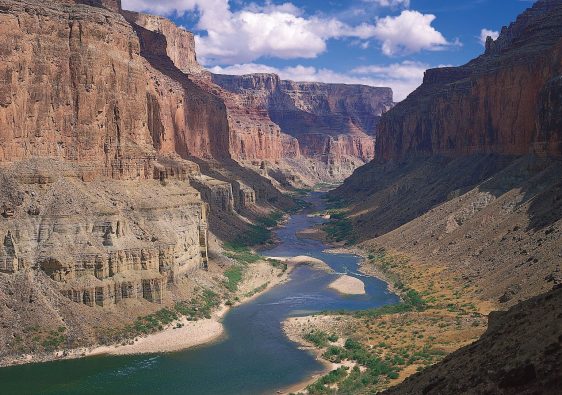
- Green River (Labyrinth Canyon/Desolation Canyon): Offers a high ROI for multi-day wilderness immersion. The investment is significant in terms of time (4-7 days) and logistical planning, but the return is unparalleled solitude, stunning scenery, and moderate whitewater. Risk is low to moderate, primarily related to remoteness and self-sufficiency.
- Colorado River (Moab Daily Sections): Presents an excellent ROI for accessibility and immediate gratification. These half to full-day trips require minimal time investment and offer mild rapids suitable for all ages, making them a high-value option for families or those new to rafting. Low financial and skill investment, high experiential return for casual adventurers.
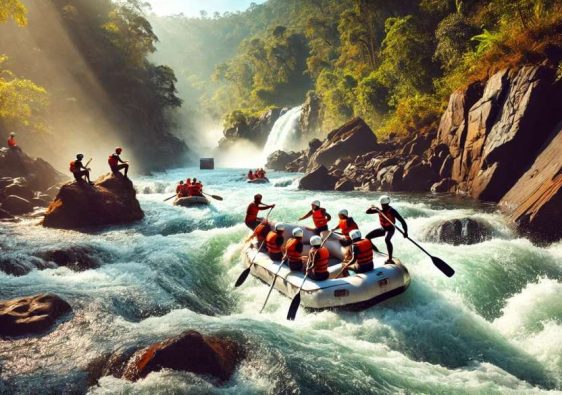
- Colorado River (Cataract Canyon): This is a high-stakes, high-reward proposition. The investment in time (4-6 days), skill (Class III-V rapids), and cost (often requiring professional outfitters) is substantial. The ROI, however, is an intense, unforgettable whitewater experience through Canyonlands National Park. This option carries a higher risk profile, demanding meticulous preparation and expert leadership.
- San Juan River (Goosenecks/Mexican Hat): A moderate ROI for those seeking a blend of scenic beauty, cultural history, and manageable whitewater. Often a multi-day trip (3-5 days), it offers a balance between wilderness solitude and accessibility. The investment is moderate, with returns in geological appreciation, ancient Puebloan sites, and gentle floating.
Analyzing these options through an ROI lens means weighing the direct costs (outfitter fees, permits, travel) against the intangible benefits (adventure, relaxation, skill acquisition, memories) and the associated risks (safety, unforeseen delays, group compatibility).
Operationalizing Your Expedition: Logistics and Preparedness
The successful execution of your chosen rafting strategy hinges on meticulous operational planning. This encompasses resource allocation, risk mitigation, and contingency development. For self-guided trips, this means securing permits far in advance, procuring appropriate gear, developing robust safety protocols, and ensuring all participants possess the necessary skills. For guided expeditions, the strategic focus shifts to vetting and selecting an outfitter with a proven track record, comprehensive safety measures, and transparent communication. Consider the financial implications of gear rental versus purchase, food provisioning, and emergency contingency funds. A well-prepared expedition minimizes unforeseen challenges, maximizing the positive experiential return and protecting your investment of time and capital.
Evaluating Impact and Iterating for Future Adventures
Upon completion of your rafting expedition, a post-mortem analysis is invaluable for future decision-making. Assess whether the trip met its defined objectives and delivered the anticipated ROI. What worked well? What challenges arose and how were they mitigated? Document lessons learned regarding equipment choices, logistical planning, group dynamics, and outfitter performance. This iterative process of planning, execution, and evaluation transforms each adventure into a data point for optimizing subsequent strategic recreational investments. It ensures that future decisions are informed by empirical experience, continuously improving the likelihood of achieving desired outcomes and maximizing the impact of your leisure capital.
Key Strategic Considerations for Optimal Rafting
- Clearly Define Trip Objectives: Are you seeking thrill, relaxation, or skill development?
- Assess Group Skill & Comfort Levels: Match river difficulty to the least experienced member.
- Budget Allocation & Value Proposition: Align expenditure with expected experiential return.
- Seasonal & Environmental Factors: Water levels and weather significantly impact trip safety and enjoyment.
- Logistical Feasibility & Accessibility: Evaluate travel time, permit requirements, and gear transport.
- Outfitter Due Diligence: For guided trips, research safety records, reputation, and included services.
- Contingency Planning: Prepare for unexpected weather, medical needs, or equipment failures.
Common Mistakes to Avoid
- Underestimating Logistical Complexity: Especially for multi-day or self-guided trips.
- Failing to Define Clear Objectives: Leading to mismatched expectations and dissatisfaction.
- Ignoring Seasonal Variations: Water levels can drastically alter river conditions and safety.
- Prioritizing Cost Over Safety/Experience Quality: A low-cost option can yield poor ROI if safety is compromised or the experience is subpar.
- Not Accounting for Group Capabilities: Pushing beyond skill levels increases risk and reduces enjoyment for everyone.
- Inadequate Risk Assessment: Overlooking potential hazards or failing to prepare for emergencies.
FAQ Section
How do I balance thrill with safety for my group on a Utah rafting trip?
Balancing thrill and safety requires a thorough risk assessment correlated with your group’s collective skill and experience level. For high-thrill sections like Cataract Canyon, a professional outfitter is often the most strategic choice, as they provide expert guidance, specialized equipment, and established safety protocols, effectively offloading significant risk. For less intense rivers, gradually introduce challenges, ensuring all participants are comfortable and well-informed. Prioritize open communication about comfort zones and always err on the side of caution. The ultimate goal is a memorable adventure that doesn’t compromise well-being, achieving maximum experiential ROI without unacceptable risk exposure.
What is the typical "ROI" for a Utah rafting trip in terms of experience versus cost?
The "ROI" for a Utah rafting trip is highly subjective but generally correlates with the alignment between expectation and outcome. A multi-day wilderness trip, while a higher financial and time investment, often yields a profound return in terms of personal growth, stress reduction, and deep connection with nature – an invaluable impact for many. Shorter, less expensive trips offer a quicker, more accessible return in immediate fun and novelty. To maximize your ROI, clearly define what constitutes "value" for you and your group. If relaxation and scenery are paramount, a gentle float trip might offer a higher ROI than a challenging whitewater run that demands constant focus, even if the latter has a higher per-day cost.
How far in advance should I plan a multi-day expedition to maximize my options?
For multi-day expeditions, especially those requiring permits in popular areas like Desolation Canyon or Cataract Canyon, advanced planning is a critical strategic imperative. Permits are often allocated via lottery systems or open reservations up to 12-18 months in advance. Reputable outfitters also book out quickly. To maximize your options for dates, specific rivers, and preferred outfitters, begin your planning process at least 9-12 months ahead of your desired launch date. This proactive approach ensures resource availability, mitigates the risk of limited choices, and often secures better pricing, thereby optimizing your overall investment and ensuring a smoother operational execution.