 aktiv_admin
The Definitive Dive: Crafting Unforgettable Underwater Adventures for Two
Scuba diving offers a unique opportunity for couples to share breathtaking experiences, forge deeper bonds, and explore the hidden wonders of the aquatic world together. Beyond the incredible sights, it’s an activity that demands trust, communication, and mutual reliance, transforming every descent into a shared journey of discovery. This guide will navigate you through the essentials, from fundamental training to advanced techniques, ensuring your partnered dives are safe, rewarding, and truly unforgettable.
The Foundation: Getting Certified and Geared Up Together
Embarking on your scuba journey as a couple begins with the right foundation: proper certification and appropriate gear. While individual certification is common, learning together offers distinct advantages, fostering a shared understanding of skills and safety protocols from day one.

- Joint Certification is Key: Seek out a reputable PADI or SSI dive center that offers courses suitable for couples or small groups. Learning the theory, confined water skills, and open water dives alongside your partner allows for mutual support and reinforces learning. You’ll understand each other’s comfort levels and challenges, building a stronger buddy system from the start. Discussing concepts and practicing skills together outside of formal lessons can also accelerate your progress.
- Mastering Dive Theory: Most certification courses begin with academic learning, which can often be completed online at your own pace. Engage with the material together, quiz each other, and discuss any points of confusion. A solid theoretical understanding of physics, physiology, and environmental awareness is crucial for safe diving.
- Confined Water Skill Development: This phase involves practicing essential skills in a pool or shallow, calm water. Work through mask clearing, regulator recovery, buoyancy control, and emergency procedures side-by-side. The shared experience builds confidence and familiarity with each other’s diving habits.
- Open Water Dives: The culmination of your training, these dives apply all learned skills in an actual ocean or lake environment. Focus on maintaining communication, staying together, and performing buddy checks diligently. Celebrate each successful dive as a team, solidifying your shared achievement.
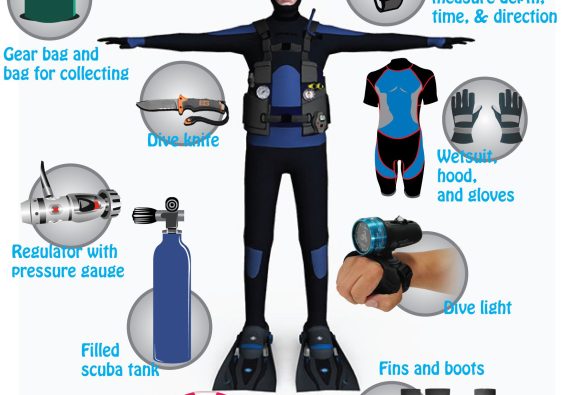
When it comes to gear, investing in personal items like masks, fins, and snorkels ensures a comfortable fit and familiarity. For more significant investments like BCDs (Buoyancy Control Devices) and regulators, discuss your future diving goals. Renting initially is a great way to try different brands and styles before committing to a purchase. A dive computer is also an essential safety tool, and having compatible ones can simplify monitoring each other’s dive profiles.
Fact: The global recreational scuba diving industry certifies over 900,000 new divers annually. Many of these learners opt for joint certification, recognizing the enhanced safety and shared joy that comes from learning and diving with a trusted partner.
Insight: Learning to dive as a couple not only builds a solid foundation of shared skills but also creates a unique bond, strengthening your partnership through mutual challenge and achievement.
Mastering the Dive: Communication, Safety, and Synchronicity Underwater
Once certified, the true art of diving as a couple lies in cultivating seamless communication, unwavering safety protocols, and a synchronized underwater presence. The buddy system is inherently built on trust, and for couples, this trust is often amplified, making your dives more intuitive and enjoyable.
- Pre-Dive Communication is Paramount: Before entering the water, always conduct a thorough dive plan discussion. This includes depth, time, gas limits, anticipated route, and what to do if you get separated. Establish clear hand signals, beyond the basic ones, for specific scenarios or observations you might encounter. Discuss your comfort levels and any potential concerns each partner might have for the specific dive.
- The “Bubble Check” and Buddy System: Perform a comprehensive buddy check before every dive. This involves checking each other’s equipment for proper assembly, air supply, and accessibility of safety tools. This ritual not only ensures readiness but also reinforces your reliance on each other. Once in the water, maintain close proximity, always staying within arm’s reach or a designated distance that allows for immediate assistance.
- In-Water Synchronicity: Practice maintaining neutral buoyancy together. Moving as a coordinated unit conserves air, reduces disturbance to marine life, and allows for shared observation of the underwater environment. Regularly check each other’s air gauges, depth, and bottom time. A simple “OK” signal and “air check” signal every few minutes can prevent many issues.
- Emergency Preparedness: While no one anticipates an emergency, being prepared is crucial. Review common emergency procedures, such as out-of-air scenarios or entanglement, and practice assisting each other on the surface. Understanding your partner’s specific response patterns can be invaluable in a high-stress situation. Knowing that your partner is competent and prepared provides immense peace of mind.
Developing a silent language and intuitive understanding underwater is one of the most rewarding aspects of diving as a couple. This synchronicity enhances the shared experience, allowing you to react to changing conditions or point out unique marine life without breaking the spell of the silent blue.
Stat: Studies show that divers who consistently adhere to the buddy system have a significantly lower incidence of accidents and incidents compared to those who dive alone or with poorly established buddy protocols.
Insight: For couples, the buddy system transcends a safety protocol; it becomes a dance of mutual vigilance and shared responsibility, deepening the personal connection with every shared breath underwater.
Elevating the Experience: Advanced Skills and Shared Exploration
Once comfortable with basic dives, the world of advanced diving opens up, offering myriad opportunities for couples to deepen their skills and explore more challenging and rewarding underwater environments together. This progression not only enhances safety but also unlocks new adventures.
- Pursuing Advanced Certifications Together: Consider enrolling in specialty courses that align with your shared interests. The PADI Advanced Open Water Diver course, for example, allows you to try different specialty dives like deep diving, navigation, and night diving. Other popular specialties for couples include Enriched Air Nitrox (allowing for longer bottom times), Underwater Photography (to capture your memories), Peak Performance Buoyancy (for ultimate control), or Search & Recovery (a fun challenge). Learning these skills together ensures both partners are equipped for more complex dives and can assist each other effectively.
- Planning Niche Dive Trips: With advanced skills, you can venture beyond beginner-friendly reefs. Dream of exploring a specific shipwreck, diving with manta rays in remote locations, or participating in a conservation dive to help coral reefs? Research destinations and dive operators that cater to these specific interests. Liveaboard trips, where you sleep on the boat and dive multiple times a day, are particularly popular with couples, offering an immersive experience without the daily commute.
- Investing in Specialty Equipment: As your diving evolves, you might consider investing in more specialized gear, such as dive lights for night diving, underwater camera setups, or even your own complete technical diving rigs if you pursue those advanced paths. Coordinate these purchases as a couple to ensure compatibility and shared understanding of operation.
- Engaging in Responsible Diving: As experienced divers, couples can also become advocates for marine conservation. Participate in “Dive Against Debris” events, support eco-friendly dive operators, and lead by example in practicing buoyancy control to avoid damaging delicate ecosystems. Sharing a commitment to protecting the underwater world adds another layer of purpose to your dives.
The journey of scuba diving with your partner is one of continuous learning and shared growth. Each new skill mastered and every new destination explored together adds another unforgettable chapter to your joint adventure, strengthening your bond both above and below the surface.
FAQ
Is it better for couples to get certified together, or can one go ahead?
While either approach is feasible, getting certified together is highly recommended for couples. It ensures both partners develop a shared understanding of dive theory, practice skills at similar paces, and establish a foundational buddy dynamic from the outset. This synchronicity can lead to greater comfort, trust, and safety when diving together in the future. If one partner is already certified, the uncertified partner should still complete their training fully, and then the certified partner can act as a mentor, reviewing skills and practicing communication.
What if one partner is more experienced or confident than the other?
It’s common for experience levels to differ. The key is to always dive to the comfort level of the least experienced or confident diver. The more experienced partner should act as a supportive guide, never pushing the other beyond their limits. Focus on communication, patience, and celebrating small victories. Consider taking refresher courses or specific specialty courses together that might help bridge any skill gaps, or allow the less confident diver to gain more experience in calm, familiar waters.
How do we balance shared dive goals with individual preferences?
Open communication is vital. Before planning trips or advanced courses, discuss what each partner hopes to gain from the diving experience. Perhaps one is passionate about macro photography while the other wants to explore wrecks. Seek destinations or dive operators that can cater to both interests, or agree to alternate between different types of dives. Sometimes, it’s okay to do separate dives – for example, one partner might do a more advanced deep dive while the other enjoys a shallower reef dive with a different group, reconvening later to share stories. The goal is mutual enjoyment, not necessarily identical experiences.