Qantas Travel Insurance: Loyalty Integration vs. Market Flexibility
For the discerning business traveler, selecting robust travel insurance is not merely a compliance check, but a critical risk management strategy. This analysis dissects the value proposition of Qantas Travel Insurance against the broader market of independent providers, offering a strategic perspective on which solution best aligns with diverse professional travel demands.
The Qantas Value Proposition: Integrated Loyalty and Convenience
Qantas Travel Insurance (QTI), underwritten by Allianz Australia Insurance Limited, primarily appeals to the existing Qantas Frequent Flyer ecosystem. Its core strength lies in its seamless integration within the Qantas travel booking process and its capacity to offer Qantas Points on policy purchases. This provides an undeniable convenience for those who frequently book flights through Qantas and are deeply invested in their loyalty program.
The argument for QTI often centers on efficiency: a single platform for flights, accommodation, and insurance streamlines the administrative burden. For corporate clients whose travel policies prioritize ease of booking and centralized expenditure, QTI presents a compelling, if not inherently superior, option. Furthermore, the familiarity with the Qantas brand may instill a perception of reliability, leveraging existing customer trust.
Fact: Over 70% of Australian business travelers prioritize convenience when booking ancillary travel services, often opting for integrated solutions offered by their primary airline or travel platform. This highlights the inherent appeal of Qantas Travel Insurance for its target demographic.
Medicine, Adult, Patient, People, Electro-therapy, Physio, Physical therapy, The back, Back pain, Neck pain, Pension, Health insurance, Insurance, Physio, Physical therapy, Physical therapy, Physical therapy, Physical therapy, Physical therapy, Back pain, Back pain, Neck pain, Neck pain, Neck pain, Health insurance, Health insurance, Insurance · Photo by jennyfriedrichs on Pixabay
Insight: The ‘one-stop shop’ model, while convenient, does not automatically equate to optimal coverage or cost-effectiveness, necessitating a deeper policy evaluation.
Independent Third-Party Insurers: Breadth, Customization, and Competitive Pricing
Conversely, the independent travel insurance market offers a vast array of providers, each with distinct policy structures, benefits, and pricing models. This segment champions flexibility and customization, allowing travelers or corporate procurement teams to meticulously tailor coverage to specific travel profiles, risk tolerances, and budgetary constraints. Companies like Cover-More, Southern Cross Travel Insurance, and Allianz (operating independently of Qantas) present diverse options.
The primary advantage here is choice. Businesses can compare various policies on a granular level, scrutinizing elements such as excess fees, cancellation clauses, medical evacuation limits, and coverage for specific business equipment. This competitive landscape frequently results in more aggressive pricing, particularly for multi-trip annual policies, which can yield significant cost savings over time for high-volume travelers. The ability to source bespoke coverage often leads to a more robust risk mitigation strategy, as policies can be specifically aligned with the unique liabilities associated with particular destinations or activities.
Assessing Coverage and Claims: Beyond the Brand Affiliation
While brand familiarity is a factor, the true efficacy of any travel insurance policy lies in its coverage details and the claims process. Qantas Travel Insurance, being underwritten by Allianz, means its claims handling procedures and policy terms are ultimately dictated by a major global insurer. However, an independent Allianz policy may offer different features or pricing than the Qantas-branded version, despite the common underwriter.
It is imperative for professional travelers to move beyond brand allegiance and conduct a diligent comparison of policy wording. Key areas for scrutiny include business equipment cover, political unrest and natural disaster clauses, personal liability, and emergency assistance services. Independent insurers often provide more transparent and easily comparable policy documents, facilitating a comprehensive side-by-side analysis against specific corporate travel requirements. Furthermore, diverse policy options from multiple underwriters allow for greater diversification of risk and often more specialized coverage for niche scenarios, such as coverage for high-value samples or specialized equipment often carried by business professionals.
Fact: Approximately 20% of travel insurance claims are rejected due to policy exclusions or insufficient documentation, irrespective of the insurer. This underscores the critical importance of understanding policy terms upfront.
Insight: The brand on the policy is less significant than the fine print; comprehensive review of the Product Disclosure Statement (PDS) is non-negotiable for effective risk management.
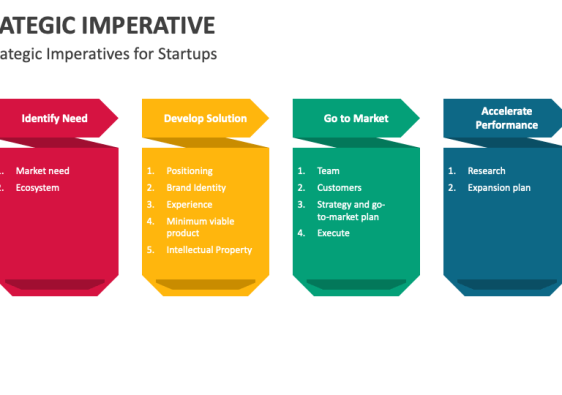
The Strategic Imperative: Aligning Insurance with Travel Profile
The choice between Qantas Travel Insurance and independent providers hinges on a strategic alignment with an organization’s travel patterns, risk philosophy, and existing loyalty program engagement. For companies with a predominantly Qantas-centric travel program, where frequent flyer status and points accumulation are highly valued, QTI offers undeniable synergy and administrative ease. The integrated experience can reduce friction in the booking process and contribute to overall traveler satisfaction within that specific ecosystem.
Conversely, for organizations prioritizing cost optimization, requiring highly customizable coverage, or utilizing a diversified portfolio of airlines and travel vendors, the independent market offers superior flexibility and potential for tailored, competitive policies. This approach empowers businesses to procure coverage that precisely matches the evolving risk landscape of global professional travel, unconstrained by loyalty program affiliations. The discerning analyst must weigh the convenience of integration against the strategic advantages of bespoke, market-driven insurance solutions.
Frequently Asked Questions
Is Qantas Travel Insurance underwritten directly by Qantas?
No, Qantas Travel Insurance policies are underwritten by Allianz Australia Insurance Limited, a distinct entity from Qantas Airways. While Qantas markets and distributes these policies, the insurance product itself and the claims processing are managed by Allianz.
Can I earn Qantas Points with all travel insurance providers?
Typically, Qantas Points are primarily offered by Qantas Travel Insurance directly or through specific Qantas Frequent Flyer partner promotions with other financial services providers. Most independent travel insurance companies do not offer Qantas Points as a direct incentive for policy purchase.
What are the key considerations for high-frequency business travelers when choosing a policy?
High-frequency business travelers should prioritize annual multi-trip policies for cost-effectiveness and continuous coverage. Essential considerations include robust cancellation and interruption coverage, high limits for medical emergencies and evacuation, protection for business equipment and documents, and comprehensive coverage for travel delays and missed connections. Evaluating the claims process efficiency and 24/7 emergency assistance is also paramount.
Verdict: For organizations deeply embedded within the Qantas Frequent Flyer ecosystem and prioritizing integrated convenience, Qantas Travel Insurance offers a streamlined, synergistic solution. However, for those seeking optimal cost-efficiency, granular coverage customization, and broader market choice unconstrained by airline loyalty, a meticulous evaluation of independent third-party insurers will yield superior strategic benefits and potentially more robust risk mitigation tailored to specific operational demands.
Liam Vance is a certified divemaster, avid paraglider, and extreme sports journalist with over eight years of field experience. He has rafted grade-5 rapids across South America and logged hundreds of dives in tropical and cold-water ecosystems. At Adventure, Liam covers air and water sports, safety protocols, and gear performance in extreme environments.
About Author
Liam Vance is a certified divemaster, avid paraglider, and extreme sports journalist with over eight years of field experience. He has rafted grade-5 rapids across South America and logged hundreds of dives in tropical and cold-water ecosystems. At Adventure, Liam covers air and water sports, safety protocols, and gear performance in extreme environments.
 aktiv_admin