 aktiv_admin
Navigating Tucson’s Trails: Avoiding Critical Missteps
Embarking on a mountain hike in Tucson is more than a leisure activity; it’s a strategic undertaking demanding careful planning, resource allocation, and robust risk management. Just as in business, a successful “return on experience” hinges on informed decision-making and a proactive approach to potential challenges. This guide focuses on identifying and mitigating common pitfalls, transforming potential risks into opportunities for unparalleled outdoor engagement.
Underestimating the Desert Environment & Its Demands
One of the most significant oversights for hikers in the Tucson area is a fundamental underestimation of the Sonoran Desert’s unique and often extreme conditions. Unlike more temperate climates, the desert presents a heightened risk profile that demands a distinct strategic approach. The most obvious challenge is heat: temperatures can soar, especially from late spring through early fall, making dehydration a critical and rapidly escalating threat. Many hikers, accustomed to other environments, fail to account for the accelerated fluid loss in dry heat, leading to heat exhaustion or even heatstroke.
Beyond the heat, the desert landscape itself poses specific hazards. The terrain can be rugged, featuring loose rocks and steep inclines, increasing the risk of falls and injuries. The flora, while beautiful, includes numerous species with sharp thorns and spines, requiring vigilance and appropriate attire. Fauna, from venomous snakes (rattlesnakes are common) to scorpions, are also integral to the ecosystem, necessitating awareness and caution, particularly during dawn and dusk or when reaching into shaded areas. From a strategic perspective, this underestimation is akin to launching a product in a completely new market without conducting thorough environmental analysis. The unique ‘market conditions’ of the Sonoran Desert require bespoke ‘business intelligence’ – understanding peak temperature windows, typical trail conditions, and local wildlife patterns. Failure to invest in this pre-expedition intelligence can lead to significant operational disruptions, or worse, critical mission failure.

Mitigating these risks involves comprehensive pre-hike research into weather forecasts, trail specificities, and understanding personal physical limits in extreme conditions. It’s about creating a risk-adjusted profile for your hike, weighing the potential for reward (stunning views, invigorating exercise) against the very real and rapidly developing risks posed by an unforgiving environment. This isn’t about fear-mongering, but about applying a data-driven, risk-averse mindset to ensure a positive outcome.
Poor Planning, Inadequate Resources, and Neglecting Logistics
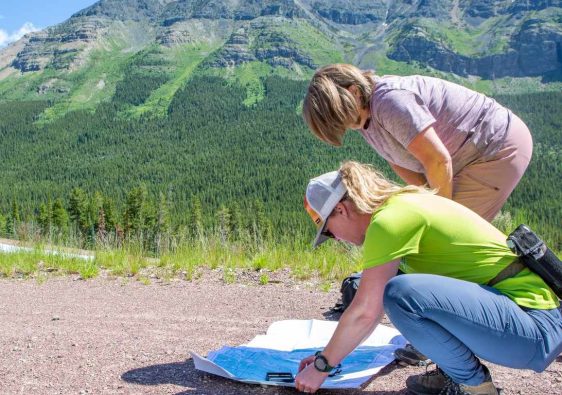
A successful hiking venture, much like a successful project rollout, is predicated on meticulous planning and the optimal allocation of resources. A common mistake is a casual approach to these vital logistical elements. Forgetting essentials like sufficient water (the most critical resource in the desert), appropriate navigation tools, or a basic first-aid kit can quickly escalate minor inconveniences into severe emergencies. Hikers often underestimate the sheer volume of water required in the desert; a general rule of thumb is at least one liter per person per hour of hiking, and often more in extreme heat. Relying solely on a smartphone for navigation is another logistical oversight; battery life, signal availability, and screen visibility in direct sunlight are significant vulnerabilities. Analog maps and a compass, or a dedicated GPS device, serve as crucial redundancies.
Furthermore, neglecting to research the chosen trail’s difficulty, length, and elevation gain can lead to overextension and exhaustion, forcing difficult decisions far from assistance. This is analogous to a project manager commencing a complex initiative without clearly defined scope, budget, or timelines. The return on investment for pre-hike planning is immense: a small investment of time researching trail conditions, packing the right gear, and checking weather forecasts yields disproportionate returns in safety, comfort, and overall enjoyment. The cost of inadequate planning, however, can range from a minor inconvenience to a life-threatening situation, far outweighing the perceived effort saved by skipping preparation steps. Consider the ROI of a $20 investment in a good headlamp versus being caught on a trail after dark, disoriented and vulnerable. The financial cost is minimal, the benefit of safety and peace of mind is invaluable.
Ignoring Risk Assessment, Decision Frameworks, and Contingency Strategies
Effective decision-making under pressure is paramount in both strategic business scenarios and challenging hiking situations. A critical mistake often observed is the absence of a defined risk assessment framework and contingency plan. Many hikers embark on trails without considering “what if” scenarios: What if someone gets injured? What if the weather changes unexpectedly? What if I run out of water? This lack of foresight is comparable to a business operating without disaster recovery protocols or a crisis management plan.
Implementing simple decision frameworks can drastically improve safety. For instance, establish turnaround times – a specific time by which you commit to turning back, regardless of how close you are to your destination. This prevents pushing beyond safe daylight hours or personal endurance limits. Similarly, applying a “rule of thirds” for resources (e.g., water, energy) – using one-third for the outbound journey, one-third for the return, and retaining one-third as a reserve – provides a buffer against unforeseen delays. Communicating your hiking plan (trail, expected return time, companions) to a trusted contact is a non-negotiable contingency strategy, ensuring someone knows when and where to start looking if you don’t check in.
From a strategic consultant’s perspective, this emphasizes the “fail fast, fail safely” principle. Recognizing warning signs (e.g., rapid fatigue, dwindling water, darkening skies) and having the discipline to make the tough decision to turn back is not a failure of the hike but a success in risk management. The benefit is preventing a minor challenge from escalating into a full-blown crisis, safeguarding personal well-being and resources for future endeavors. Small-scale scenarios, like an individual hike, build decision-making muscle that translates directly to large-scale operational challenges, where the stakes and potential impacts are significantly higher.
- ROI of Preparation: Time invested in researching trails, weather, and packing translates directly into a higher likelihood of a safe, enjoyable, and successful experience, maximizing your return on the effort invested.
- Risk Matrix for Trail Selection: Evaluate trail difficulty against your experience level and current fitness. Don’t blindly pursue aspirational hikes without a realistic assessment of capabilities and environmental variables.
- Strategic Resource Allocation: Prioritize water, navigation tools, sun protection, and a basic first-aid kit. Under-resourcing these critical areas leads to immediate, severe vulnerabilities.
- Contingency Planning for Emergencies: Develop a “what if” protocol. Who do you contact? What are your emergency communication options? Where is the nearest assistance?
- Decision-Making Under Stress: Practice making objective decisions when fatigued or facing unexpected challenges. Have pre-defined turnaround points or thresholds for turning back.
- Stakeholder Communication: Inform someone reliable about your hiking plans. This “check-in” system is a low-cost, high-impact safety net, mitigating search and rescue delays.
Common Mistakes to Avoid
- Starting Too Late: Beginning a hike mid-day in Tucson often means enduring the hottest temperatures, significantly increasing heat-related risks.
- Insufficient Water: Never underestimate desert hydration needs. Carry more water than you think you’ll need, especially on longer or strenuous trails.
- Inadequate Footwear: Wearing casual shoes on rugged desert trails leads to discomfort, blisters, and an increased risk of slips or ankle injuries.
- Ignoring Weather Forecasts: Sudden monsoon storms, extreme heat warnings, or unexpected cold fronts can turn a pleasant hike into a dangerous situation.
- Relying Solely on Phone GPS: Phone batteries die, and signal can be nonexistent. Always have a backup navigation method like a physical map and compass.
- Veering Off Marked Trails: This increases the risk of getting lost, encountering dangerous wildlife, or damaging fragile desert ecosystems.
- Overestimating Fitness: Be realistic about your physical capabilities, especially in challenging desert terrain and high temperatures.
- Neglecting Sun Protection: Wide-brimmed hats, sunglasses, and sunscreen are non-negotiable to prevent sunburn and heat-related illness.
FAQ Section
How do I balance adventure with safety on unfamiliar Tucson trails?
Balancing adventure with safety on unfamiliar trails requires a strategic approach focused on incremental risk exposure and robust preparedness. Start by researching trails thoroughly, prioritizing those with clear markings and well-documented conditions. For your initial ventures, choose trails slightly below your perceived fitness level to build confidence and understand the unique demands of the Sonoran Desert. Always communicate your itinerary to a trusted contact, including your expected return time. View each hike as a pilot project: gather intelligence, execute with caution, and conduct a post-action review to refine your strategy for future, more adventurous undertakings. This systematic approach allows for calculated risks, ensuring that the thrill of discovery doesn’t compromise your safety.
What’s the ROI of investing in quality hiking gear for desert conditions?
The return on investment (ROI) for quality hiking gear, especially in desert conditions, is exceptionally high, manifesting primarily in safety, comfort, and durability. While initial costs might seem higher, quality gear reduces the probability of equipment failure (e.g., a flimsy water bladder bursting), which can have critical safety implications in an arid environment. Proper hydration systems, sun-protective clothing, and sturdy, supportive footwear minimize risks like dehydration, heatstroke, and injury, preventing costly medical interventions or rescue operations. Furthermore, durable gear withstands the harsh desert elements, extending its lifespan and reducing the need for frequent replacements, thus providing a better long-term financial ROI. The intangible benefits include enhanced enjoyment and confidence, transforming a potentially arduous trek into a fulfilling adventure, directly impacting your ‘return on experience’.
When should I consider “cutting my losses” and turning back on a challenging hike?
Knowing when to “cut your losses” and turn back is a critical decision-making framework, vital for personal safety and resource management. This decision should be guided by objective criteria, not ego. Key triggers include: reaching a pre-determined turnaround time (regardless of destination proximity), significant weather deterioration (e.g., sudden dark clouds indicating a monsoon storm), depletion of essential resources (e.g., water running low with no known refill points), onset of severe fatigue or injury, or a feeling of disorientation. Analogous to a business project hitting insurmountable obstacles, continuing past these points drastically increases risk and diminishes the chances of a successful outcome. Prioritize safety over summit fever; the mountain will always be there, and a tactical retreat ensures you can return for a more successful attempt.