 aktiv_admin
Optimizing Ultralight Pack Weight: Critical Mistakes and Strategic Solutions
Achieving an ultralight pack weight is a coveted objective for modern hikers, promising enhanced comfort and endurance. However, the pursuit of minimalism often leads to common yet critical missteps, compromising safety and the wilderness experience. This analysis dissects prevalent errors in ultralight packing, comparing distinct approaches to reveal a more balanced path to efficient load management.
The Peril of Blindly Chasing Base Weight Targets
A widespread mistake in ultralight hiking is the uncontextualized fixation on an arbitrary base weight number. Many aspiring hikers target a “sub-10-pound” or even “sub-5-pound” base weight, viewing this metric as the sole measure of success. This numerical obsession, while providing a benchmark, frequently eclipses the functional utility and necessity of individual gear items. The logical flaw lies in assuming that less weight unequivocally equals a superior experience, disregarding specific trip demands or a hiker’s personal resilience. This often results in the omission of critical safety gear or comfort items, leading to suboptimal or hazardous situations on the trail.
A more judicious approach moves beyond mere subtraction. Instead of solely asking "How much can I cut?", seasoned analysts advocate for "What do I truly need for this specific environment and duration?" This functional necessity paradigm prioritizes items essential for safety, shelter, navigation, hydration, and sustenance, meticulously adapting the list to weather forecasts, terrain challenges, and emergency preparedness. Omitting a robust shelter in exposed alpine environments or an adequate water purification system in a desert solely to meet a weight target constitutes a significant, avoidable risk. An optimized pack is not merely light; it is precisely and appropriately equipped for its intended purpose.

Overlooking the Dynamic Nature of Total Pack Weight
Another significant oversight is an exclusive focus on base weight, neglecting the substantial and dynamic contribution of consumables to the total pack load. Base weight, by definition, excludes items consumed or expended during a trip, such as food, water, and fuel. An impressive 8-pound base weight can quickly swell to 25 pounds or more on a multi-day trek through arid regions requiring several liters of water and days of provisions. This disparity between perceived lightness and actual burden frequently leads to misjudgments in physical conditioning needs and overall trip logistics.
A strategic alternative involves adopting a holistic "total pack weight management" perspective. This approach acknowledges that every gram contributes, whether static base weight or dynamic consumable load. It necessitates meticulous meal planning, water source analysis, and fuel estimation. Proactive strategies include dehydrating food, cold-soaking meals to eliminate stove weight, or utilizing collapsible reservoirs for efficient water carries between reliable sources. Analytical rigor demands calculating not only base weight but also the per-day weight of consumables, factoring in trip duration, and optimizing accordingly. This dynamic planning ensures the benefits of an ultralight base weight are not negated by an unmanaged, heavy consumable burden.
The Pitfalls of Generalized Gear Selection vs. Contextual Optimization
Many aspiring ultralight hikers fall into the trap of uncritically adopting popular gear lists without sufficient contextual analysis. A common mistake is assuming that gear celebrated for a specific trail (e.g., the Appalachian Trail) is universally applicable. This generalized approach disregards critical variables like geographical location, seasonal weather patterns, elevation, and individual physiological needs. A minimalist tarp, suitable for humid eastern trails, might be dangerously inadequate for high winds and potential snowfall in mountainous regions. Similarly, an overly warm sleeping bag adds unnecessary weight in summer, while an insufficient one invites hypothermia in colder conditions.
The solution lies in rigorous, contextual optimization. This demands a detailed assessment of specific trip parameters: anticipated temperature ranges, precipitation likelihood, wind exposure, insect pressure, and expected terrain challenges. Furthermore, personal factors such as metabolism (cold/warm sleeper), wilderness skills, and risk tolerance must heavily inform gear choices. The ultralight ethos is not about carrying less universally, but about carrying precisely what is needed for the anticipated conditions. This judicious selection might, at times, warrant a slightly heavier, more robust item to ensure resilience and safety over a raw weight number, justifying each inclusion against the specific scenario rather than a generic ideal.
The Undermining Role of Untrained Movement and Inefficient Packing
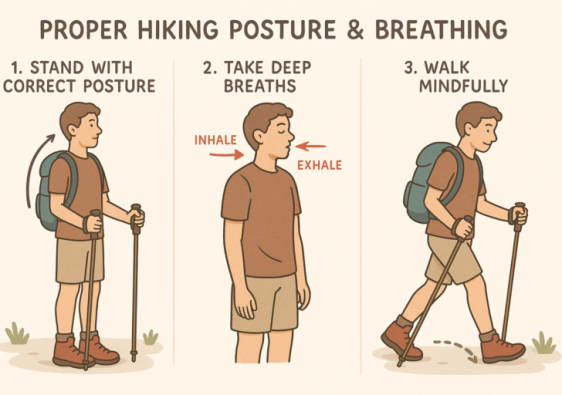
A frequently overlooked factor impacting the effective management of pack weight is the hiker’s own physical efficiency and packing methodology. The mistake here is assuming that merely owning ultralight gear automatically guarantees an ultralight experience. Even with an exceptionally light pack, inefficient movement patterns, poor posture, and an unbalanced load can significantly increase fatigue, discomfort, and injury risk, thereby negating the benefits of weight reduction. A technically light pack that is poorly organized or improperly fitted can feel substantially heavier and more cumbersome than a slightly heavier, but well-distributed, load.
The strategic imperative extends beyond gear acquisition to encompass mastery of trail craft, efficient movement, and meticulous packing. Analysts emphasize the importance of a well-balanced pack, where heavier items are positioned close to the back and between the shoulder blades to optimize the center of gravity. Furthermore, cultivating a smooth, energy-efficient hiking gait—often termed “power hiking”—minimizes energy expenditure and reduces joint impact. This holistic approach integrates physical conditioning, proper pack fitting, and skillful item placement. The argument is that while ultralight gear provides the foundation, the hiker’s competence in utilizing that gear and navigating the terrain ultimately determines the true “lightness” of the overall experience. It is a synergy of optimized gear and honed skill, not merely gear reduction.
| Ultralight Category | Base Weight Range (Lbs) | Primary Focus | Common Mistake | Ideal Scenario |
|---|---|---|---|---|
| Extreme Ultralight | < 5 | Absolute weight reduction, high-skill reliance | Sacrificing essential safety/comfort items, lack of redundancy | Experienced hikers, short trips, known benign conditions |
| Standard Ultralight | 5 – 10 | Balanced weight, comfort, and safety for varied trips | Ignoring trip-specific contextual needs, over-reliance on benchmarks | Most multi-day thru-hikes, adaptable to varied conditions |
| Lightweight | 10 – 15 | Enhanced comfort, some luxuries, easier transition | Overpacking "just in case" items without true justification | Beginner ultralighters, colder weather, shorter trips, comfort priority |
- **Audit Every Item Rigorously:** Justify each item’s presence with a clear "why." If it lacks a critical function for safety, shelter, navigation, or essential comfort for the specific trip, reconsider its inclusion.
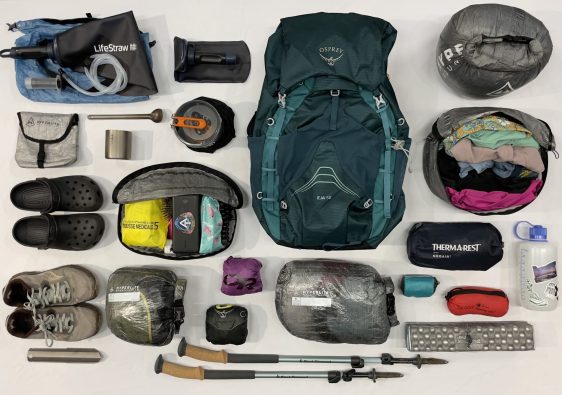
- **Prioritize "The Big Three" First:** Focus on optimizing your sleeping system, shelter, and backpack. These items typically account for the largest portion of base weight, offering the most significant reduction potential.
- **Understand Your Destination and Season:** Tailor gear to the specific climate, terrain, and anticipated conditions. Generalized lists are a pitfall; contextual relevance is paramount for safety and efficiency.
- **Practice Skill, Not Just Gear Acquisition:** Invest in developing wilderness skills (navigation, shelter setup, first aid) to reduce reliance on heavy "just in case" or redundant equipment.
- **Manage Consumables Actively:** Plan food and water meticulously. Carry only what’s necessary, identify reliable water sources, and optimize caloric density per ounce for food.
- **Weigh Everything (Repeatedly):** Maintain a detailed gear spreadsheet and weigh every item. This data-driven approach reveals hidden weight and areas for improvement, enabling precise optimization.
- **Refine Your Core List Over Time:** Your ideal ultralight setup is dynamic. Continuously evaluate and adapt your gear based on actual trail experience and evolving personal preferences and skills.
Verdict and Recommendation
The pursuit of ultralight hiking should be a sophisticated exercise in risk management and efficiency optimization, not a rigid adherence to arbitrary weight limits. Prevalent mistakes—blindly chasing numerical targets, neglecting dynamic total weight, adopting generalized gear, and ignoring personal efficiency—all stem from a fundamental misunderstanding of the ultralight ethos.
Our analysis strongly advocates for a contextually driven, skill-integrated approach to ultralight pack weight. This necessitates:
- **Prioritizing Function over Number:** Every item must be justified by its essential utility for the specific trip and conditions, ensuring safety and appropriate comfort.
- **Holistic Weight Management:** Moving beyond base weight to meticulously plan and manage the dynamic weight of consumables (food, water, fuel) based on trip duration and resupply options.
- **Personalized Gear Selection:** Rigorously tailoring gear choices to individual needs, skills, and the precise environmental demands of the intended journey, rather than mimicking generic lists.
- **Hiker Skill Development:** Recognizing that physical conditioning, efficient movement, and optimal packing techniques are as crucial as lightweight gear in achieving a truly "light" hiking experience.
Ultimately, the most effective ultralight strategy is not about achieving the lowest possible number on a scale, but about carrying the least amount of weight necessary to safely and comfortably accomplish a specific wilderness objective. This nuanced understanding distinguishes the experienced ultralighter from those who merely lighten their load. Adopt a data-driven, experience-informed methodology, and let your pack weight be a function of intelligent design, not just reduction.